What a checkup is for
A checkup is the one dental visit that keeps all the others small. Tooth decay and gum disease are both quiet until they are expensive. Cavities do not hurt until they are close to the nerve, and gums do not hurt while they are receding. Seeing you twice a year means we catch a soft spot while it is a small filling rather than a crown, and we catch bleeding gums while they still recover with better cleaning at home.
The visit is also where we learn how your mouth is changing. Enamel wears, old fillings age, and the way you bite shifts over years. Tracking those slowly is how we can tell you honestly that something can wait.
What happens at the visit
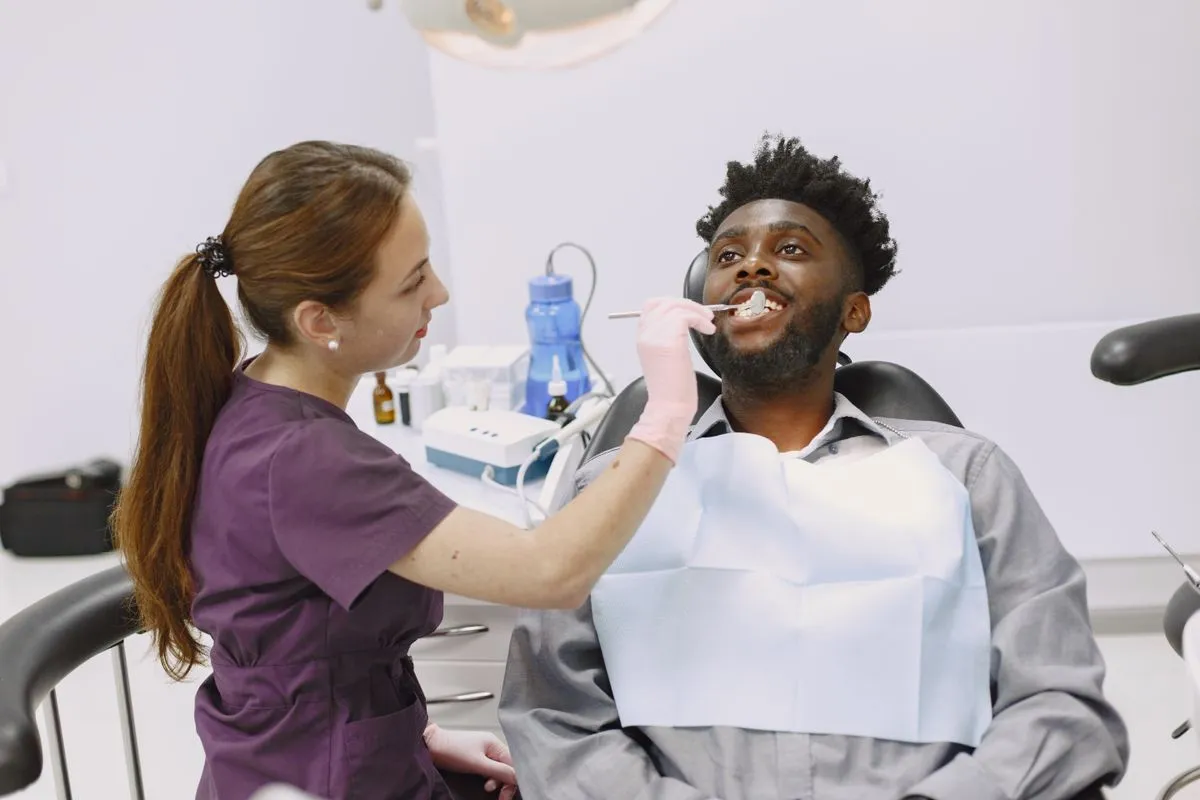
Your visit starts with the hygienist, who takes a look at your gums and measures the pockets around each tooth. Those numbers are the best early warning for gum disease we have, and we record them every visit so we can show you the trend, not just today’s reading.
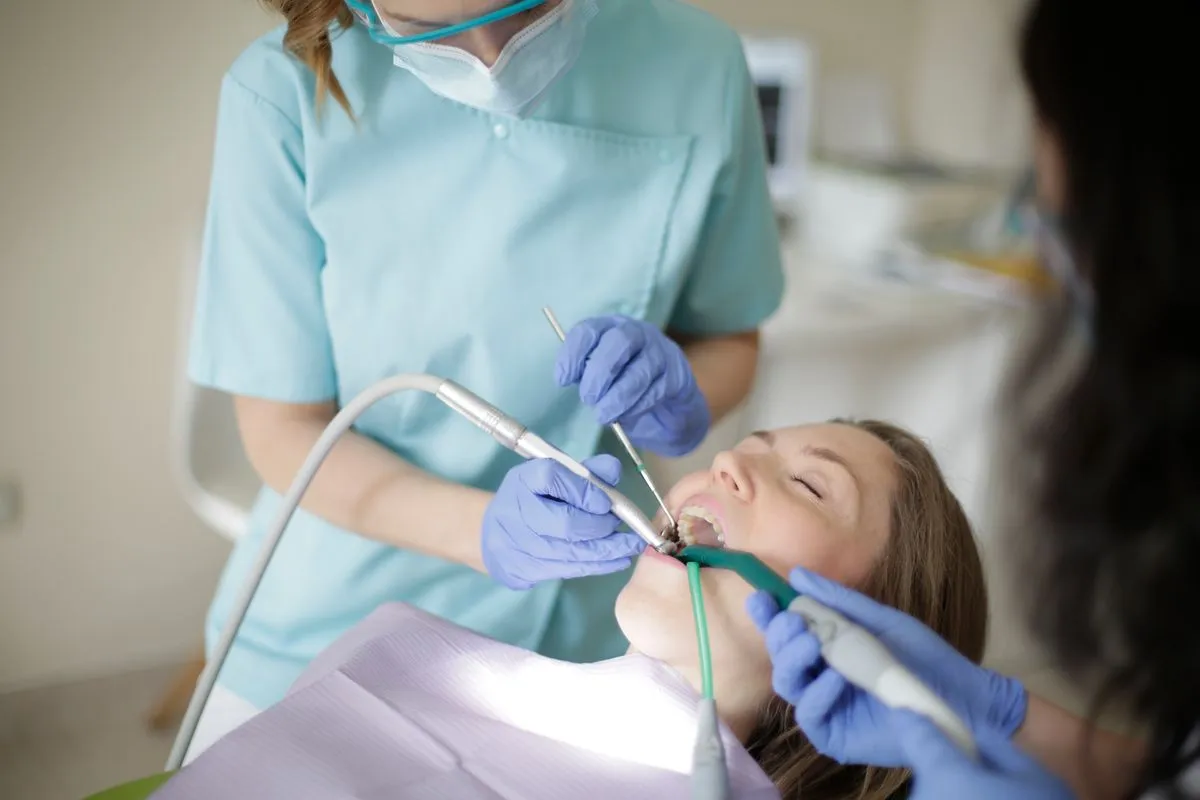
Then the cleaning. Tartar that has hardened on the teeth cannot be brushed off, so the hygienist removes it with an ultrasonic scaler and hand instruments, working slowly on any area you tell us is sensitive. The teeth are polished, and we floss between every pair. If your gums need it, we apply fluoride at the end.
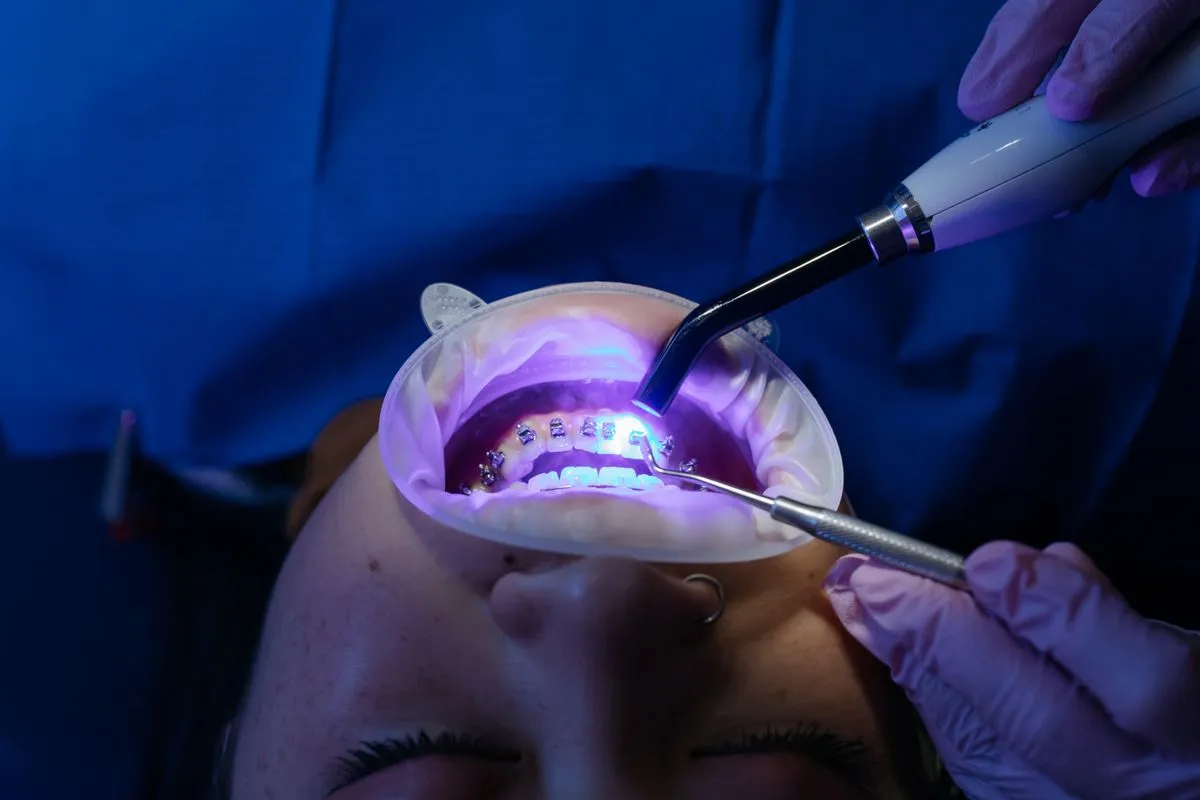
The dentist then examines every tooth, checks your bite and your jaw joints, and screens the soft tissue of your mouth, tongue and throat for anything that should be looked at further. We photograph teeth with an intraoral camera, so when we describe a crack or a worn filling, you are looking at it on the screen with us.
Bitewing X-rays are taken when they are due, usually every one to two years, because they show decay between the teeth that no exam can see. We use digital sensors, which use a fraction of the radiation of older film.
What you leave with
If everything looks good, you leave with a clean mouth and a next appointment. If we found something, you leave with a written plan. Each item is priced with your insurance applied and sorted into what needs doing soon and what we are simply watching. A small area of early decay, for instance, can often be reversed with fluoride and better brushing, so we tell you that rather than booking a filling.
We also send you home with specific advice rather than the usual “floss more”. If a particular tooth is collecting plaque, we show you the angle that reaches it. If your enamel is wearing from grinding at night, we talk about a night guard before the damage is permanent.
Cleanings for children
Children are welcome from their first tooth. A first visit for a toddler is short, mostly about sitting in the chair and counting teeth, and no treatment happens. From around age three we do a proper cleaning and a fluoride varnish, and we talk with you about sealants for the adult molars when they come through, usually around age six and again at twelve. Sealants are a quick, painless coating that stops decay in the grooves where most childhood cavities start.
Deep cleanings
If your gum measurements show pockets deeper than three millimetres with bleeding, a regular cleaning cannot reach the tartar below the gum line. We will explain what we are seeing on the chart and book a deeper cleaning, called scaling and root planing, usually over two visits with your gums numbed. It is not a sales tactic. Untreated gum disease is the main reason adults lose teeth, and treating it early is far cheaper than replacing a tooth.
Cost and insurance
Most dental plans cover two exams and cleanings a year in full, and X-rays when they are due. We check your plan before your visit and tell you if anything will have a cost. Without insurance, our membership plan covers two checkups and cleanings a year for a flat fee.